James Hardie Junior ADU Conversion: The Riverside Owner’s Guide
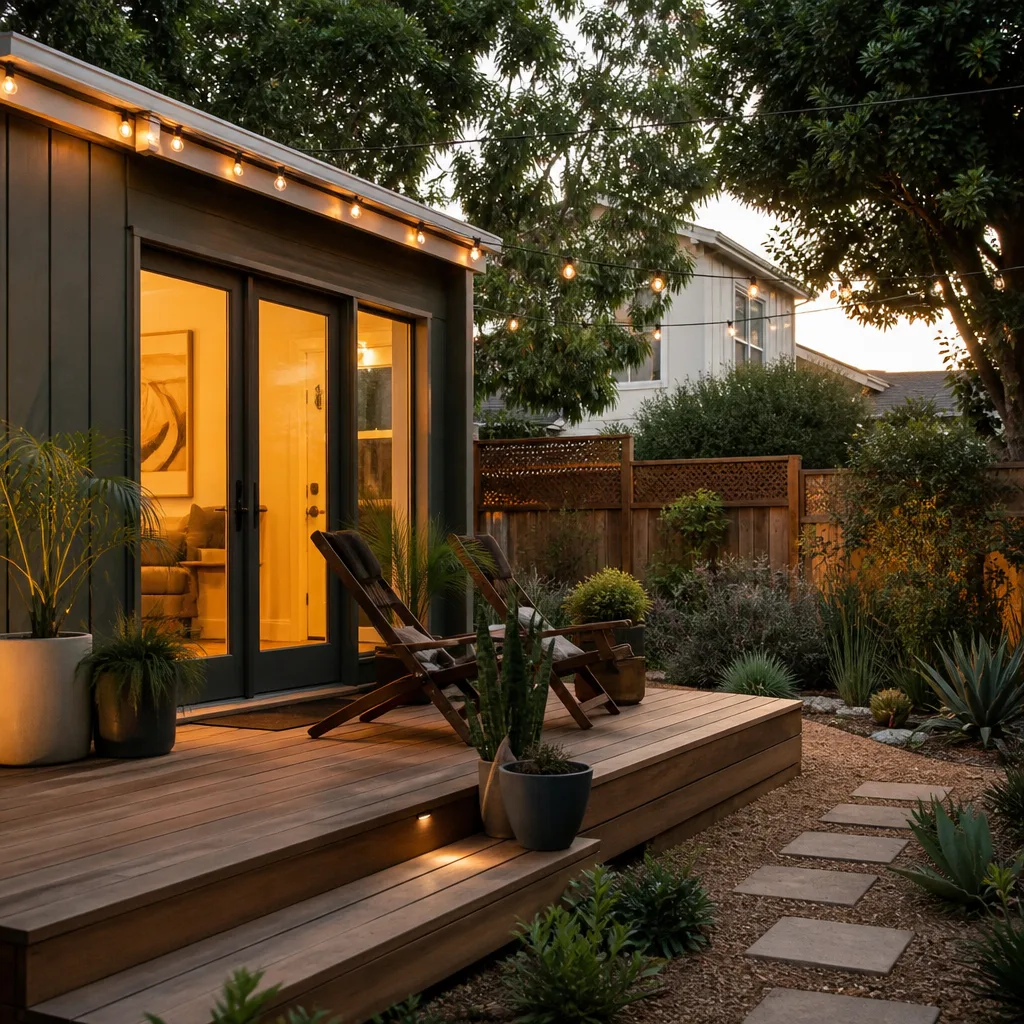
If you’re converting an existing structure into a junior ADU in Riverside, you’re likely facing a cladding decision, and James Hardie products are among the most common we encounter on older garages and outbuildings across the city. We stock and install James Hardie-compatible siding, trim, and soffit for junior ADU conversions, with most exterior cladding packages for a typical 400 – 500 square foot JADU running $9,000 – $18,000 installed depending on product line and existing framing condition. Homeowners usually call us when a garage conversion reveals rotted substrate, failed lap siding, or trim that’s pulling away from the wall, which means the exterior envelope needs attention before insulation and drywall can go in.
Here’s what you should know before you buy or replace anything.
Which James Hardie Models This Applies To
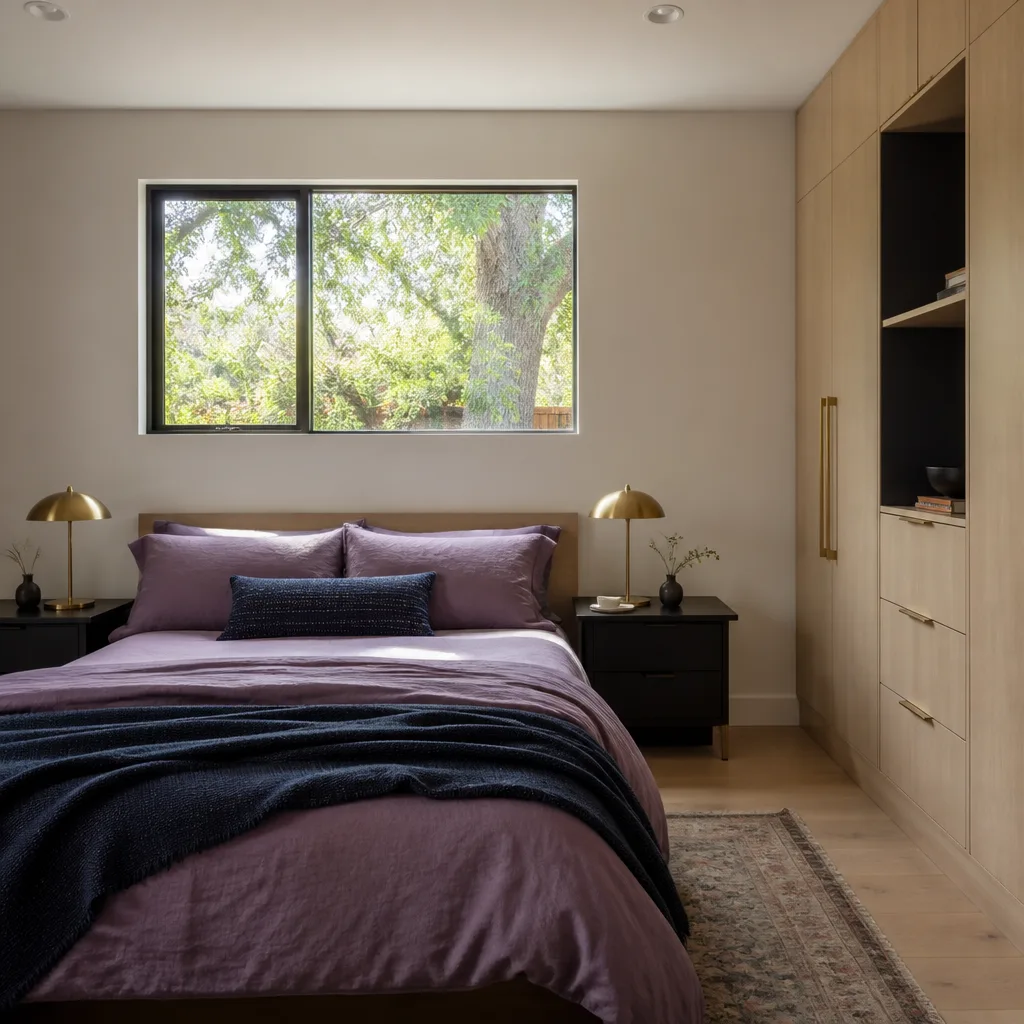
The James Hardie product lines we work with on junior ADU conversions in Riverside fall into three main categories: HardiePlank lap siding, HardiePanel vertical siding, and HardieTrim boards. Junior ADU conversions typically use a mix of all three, since garages and older accessory structures often combine lap siding on walls, panel products on gable ends, and trim around windows and corners.
The compatibility gotcha most Riverside homeowners don’t see coming is thickness. HardiePlank comes in 5/16-inch and 7/16-inch thicknesses, and they are not interchangeable on the same wall plane. If your existing structure has 7/16-inch lap siding and you patch with 5/16-inch, the difference is visible at every butt joint, and water intrusion becomes a real concern at those transitions. We’ve also seen garages where the original siding was HardiePlank Primed, but the homeowner unknowingly ordered ColorPlus prefinished pieces, which creates a texture and sheen mismatch that shows every time the afternoon sun hits the east wall.
For identifying what you have: check the back of a removed piece for the HardieZone system label. Riverside falls into HardieZone HZ10, which means the product is engineered for the hot, dry inland climate we live in. If your existing siding is older, it may not have zone labeling, and we can match it by measuring thickness, lap exposure, and checking the mill pattern. For OEM versus aftermarket, HardieTrim is the one product where we almost always stay OEM, because the dimensional tolerance and the crispness of the edge profile is difficult for aftermarket equivalents to hold over an 8-foot run.
Signs Your James Hardie Junior ADU Conversion Is Failing
- Wavy or buckling lap siding at the bottom course. This usually means the original installer buried the bottom edge below grade or ran the siding too close to concrete. Riverside’s clay soil expands and contracts with our wet winters and dry summers, and that movement telegraphs straight into the bottom course. Once the siding buckles, the weather lap is broken and water gets behind the wall.
- Cracking at nail heads, especially on south-facing walls. The thermal swing on a Riverside south wall can exceed 60 degrees in a single day during summer. If siding was face-nailed (instead of blind-nailed through the top edge), the repeated expansion and contraction will crack the board at the fastener. That’s a mechanical failure, not a product defect.
- Trim joints opening up around windows and door openings. HardieTrim moves less than wood trim, but it still moves. Joints that are caulked rather than flashed will open up within a few seasons here. Once the joint opens, the caulk fails and water follows the trim edge into the rough opening.
- Soft spots or staining at the bottom plate, visible from inside the garage. By the time you see interior staining, the siding has likely been passing water for a while. On Riverside garage conversions, the bottom plate is often a standard dimensional lumber plate sitting directly on the old slab, and it rots if the exterior envelope is compromised.
- ColorPlus finish fading unevenly across a wall. HardieZone HZ10 products are engineered for UV exposure, but if half the wall is new and half is original, the fade differential will become obvious within a year or two. This is a signal that a previous repair was done with mismatched product, and it will keep showing until the whole plane is addressed.
Replacement Cost & What’s Included
For a junior ADU conversion in Riverside, here’s what exterior cladding typically costs installed, using current Riverside labor and materials pricing:
- Remove and dispose of existing siding: $1,800 – $3,200, depending on whether it’s wood, stucco, or a previous fiber cement product.
- Replace rotted framing, bottom plates, or sheathing: $1,500 – $4,500, depending on framing condition and how far the damage runs around the building perimeter.
- New James Hardie lap siding, HardiePanel gable ends, and HardieTrim corners and window trim, installed: $7,500 – $12,000 for a typical 400 – 500 square foot JADU.
- Weather barrier (housewrap) and flashing, installed: $900 – $2,200 depending on the number of penetrations and roof-to-wall transitions.
We give you a written price before we start. That price includes all materials, labor, fasteners, flashing, and debris hauling. If we open the wall and find more framing damage than we expected, we sit down with you before we touch anything else, explain what changed, and give you a new written number. The 365-Day Done Right Promise covers defects in workmanship for one full calendar year from project completion, and a free second visit is included if any element of the exterior envelope fails during that year.
One honest note from Miles Hartwell and the crew: if the previous siding was installed incorrectly and the bottom plate is rotted all the way around, the framing repair is the expensive part, not the Hardie product. We’d rather tell you that before we demo than after.
DIY or Call Us?
You can safely handle a few things before we arrive. Check for bottom-edge clearance: Hardie siding should sit at least 6 inches above bare soil and 2 inches above hardscape like concrete walks or patios. Look at the nail pattern: face nails should be flush with the surface, not driven beneath it. If you see caulk smeared over flashing gaps or trim joints, that’s a sign a previous repair was cosmetic, not structural.
Where DIY goes wrong with James Hardie cladding on a Riverside JADU is cutting and fastening. Fiber cement requires carbide or diamond blades, the dust is silica-heavy and requires a proper respirator, and blind-nailing top edges without cracking the board takes practice. The product is unforgiving. One cracked board is a $9 mistake. A row of them with incorrect lap exposure is a re-siding job. If the bottom course is buckled, the substrate is involved, and that means opening the wall, removing contaminated insulation on the interior side, and likely dealing with framing fasteners that haven’t been checked since the original build. That’s where we’d rather you call us at (831) 217-6083. The estimate is free, and we’ll tell you up front whether the wall is salvageable or needs a full re-skin.
Frequently Asked Questions
James Hardie siding is warrantied for 30 years for the lap siding and 15 years for the ColorPlus finish, but in Riverside’s climate we typically see the product itself performing well past 40 years when installed correctly. The more realistic failure point is the installation: bottom-edge clearance, flashing details at windows, and proper fastener depth. We see installers cutting those corners more than we see product failure.
If your siding is failing early, call us at (831) 217-6083 and we’ll inspect the installation before you assume the product is at fault.
Yes, if the failure is isolated, such as a single cracked board or one trim joint opening up. We can replace individual lap siding courses without stripping the entire wall, though the challenge is matching the existing paint and sheen. If the failure is at the bottom plate level or the substrate is rotted, spot repairs are a temporary fix on a structure that’s about to become living space. A JADU is different from a shed; the wall needs to be right before insulation and drywall go in.
For an honest assessment, call (831) 217-6083 and Miles will walk the site with you.
For a typical 400 – 500 square foot accessory structure, the full cladding scope, including demo, framing repair, weather barrier, siding, trim, and flashing, takes 7 – 10 working days. That’s a realistic number, not a sales-floor number. If Riverside summer heat pushes temps past 105, we adjust our cutting and install schedule so the crew isn’t producing silica dust in the worst part of the day, which can add a day or two.
Call (831) 217-6083 for a schedule estimate on your specific structure.
We keep a rolling inventory of the James Hardie products most commonly needed on Riverside JADU conversions: 7/16-inch HardiePlank lap siding in the standard 8.25-inch exposure, 4×8 HardiePanel in both smooth and stucco finishes, and HardieTrim in 1×4 and 1×6 profiles. Less common profiles, including the 5/16-inch lap and specialty panel thicknesses, are ordered per project and typically arrive within 3 – 5 business days.
We also have working experience with Abodu, Cover, and Dvele systems for full prefab ADU projects, which becomes relevant if your junior ADU conversion is the first phase of a larger site plan.
Written by Miles Hartwell, Owner, Sutton ADU Riverside at Sutton ADU Riverside, serving Riverside and nearby areas.